
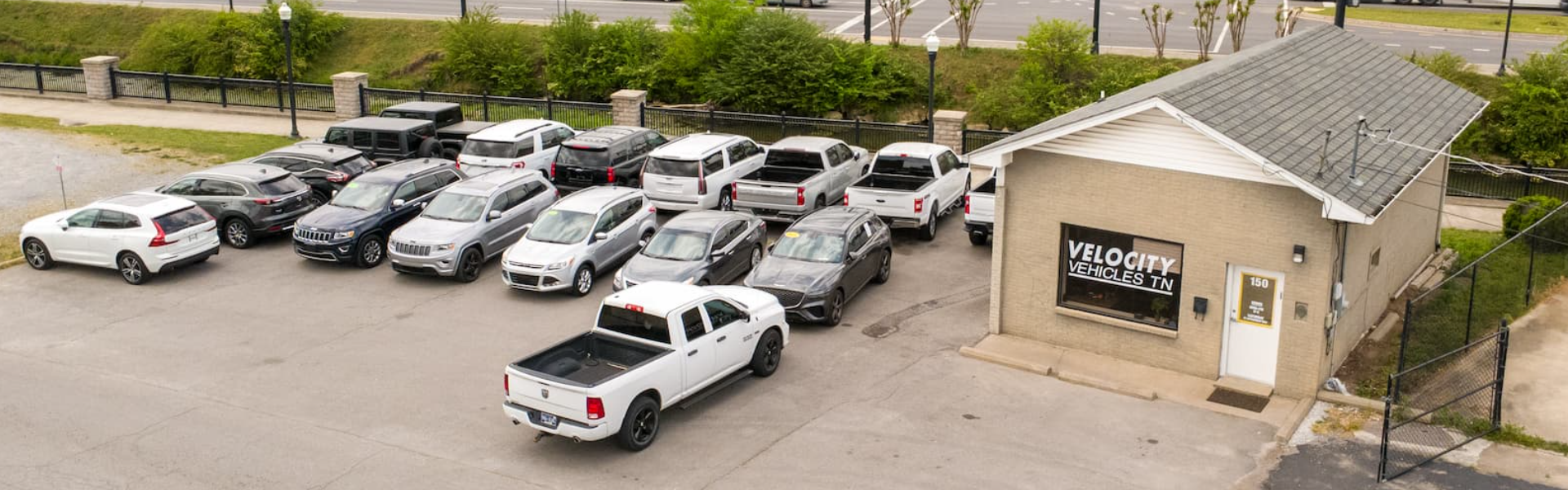
Buying a used car in Gallatin means navigating a market where you'll find traditional dealer lots, private sellers, and newer concierge models that source vehicles based on your specific needs. This guide walks through the complete process, from setting a budget to finalizing the paperwork.
Setting Your Budget Before You Shop
Start by calculating what you can afford, not just for the purchase price but for ongoing costs. Factor in insurance, registration, fuel, and maintenance. A common guideline is to keep total transportation costs below 15 to 20 percent of your monthly take-home pay.
If you're financing, get pre-approved through your bank or credit union before visiting dealerships. Pre-approval gives you a clear spending limit and a negotiating baseline. You're not obligated to use that loan if the dealer offers better terms, but you'll know where you stand.
Don't forget to check current market values. Tools like Kelley Blue Book help you understand what similar vehicles are selling for in your area, which prevents overpaying and helps you spot genuine deals.
Deciding What Type of Vehicle You Actually Need
Be specific about your requirements before you start looking. Consider your daily commute, whether you need cargo space or towing capacity, and how many passengers you typically carry. Gallatin's mix of highway access and rural roads means many buyers prioritize trucks and SUVs, but your actual usage should guide the decision.
Write down your must-haves versus nice-to-haves. This list becomes critical when you're comparing options or when a dealer suggests alternatives. If fuel economy matters for a long commute, for example, you can compare candidates at fueleconomy.gov to see real-world differences.
Some Gallatin buyers find that describing their needs to a dealer who can source across a wider market yields better matches than limiting themselves to what's physically on one lot. This concierge approach, used by dealerships like Velocity Vehicles, removes the pressure to settle for available inventory when your ideal vehicle might be just one market over.
Where to Look for Used Cars in Gallatin
You have several paths when buying a used car in Gallatin. Traditional used car lots offer immediate test drives and financing in one location. Private sellers often price lower but require you to handle paperwork, financing, and due diligence yourself. Concierge sourcing models let you describe what you want and rely on the dealer's network to locate matches, which expands your options without requiring you to visit multiple lots.
Each approach has trade-offs. Lot-based dealers offer convenience but limit selection to current inventory. Private sales can save money but add complexity. Sourcing services broaden your reach and often come with no search fees, as is the case with Velocity Vehicles, which uses industry relationships to find vehicles that match specific buyer requests rather than pushing what's already in stock.
If you're looking at current inventory in Gallatin, compare across sources to get a sense of pricing and availability for the models you're considering.
Researching Vehicle History and Reliability
Once you identify a candidate, request the vehicle identification number (VIN) and run a history report. These reports show prior ownership, accident history, title status, and service records. Any seller who refuses to provide a VIN is a red flag.
Cross-reference the history report with reliability ratings for that make, model, and year. Some vehicles have known issues at certain mileage points, and understanding common problems helps you ask the right questions during inspection.
Check for open recalls at the NHTSA recall lookup. Recalls are repaired at no cost by franchised dealers, but many used vehicles still carry unresolved recalls. Knowing about them in advance lets you confirm they've been addressed or factor repair time into your purchase decision.
Inspecting and Test Driving the Vehicle
Always inspect a used car in person before buying, ideally in daylight. Look for mismatched paint, panel gaps, or signs of bodywork that might indicate prior collision damage not disclosed in the history report. Check tire tread depth and even wear, which tells you about alignment and maintenance habits.
Under the hood, look for fluid leaks, corrosion on the battery terminals, and the condition of belts and hoses. Pull the dipstick to check oil color and level. Dark, gritty oil or a burnt smell can signal neglected maintenance.
During the test drive, listen for unusual noises, test the brakes in a safe area, and make sure the transmission shifts smoothly. Pay attention to how the vehicle tracks on straight roads and whether the steering wheel is centered. If anything feels off, it probably is.
Getting a Pre-Purchase Inspection
Even if the vehicle passes your own inspection, pay a trusted mechanic to perform a pre-purchase inspection. This typically costs between $100 and $200 and can uncover issues that aren't obvious to non-professionals. A seller who won't allow an independent inspection is telling you something.
The inspection should cover the engine, transmission, suspension, brakes, exhaust, and electrical systems. Ask the mechanic to estimate the cost of any needed repairs so you can negotiate the price down or budget for upcoming work.
Negotiating Price and Trade-In Value
Come to the negotiation with data. Know the market value range for the vehicle, what similar models are listed for locally, and what repairs or maintenance it will need soon. Start below the asking price, but keep your offer reasonable based on research.
If you have a trade-in, get an independent appraisal first using a service like Edmunds. Dealers often lowball trade values to offset discounts on the vehicle you're buying. Knowing your car's worth lets you negotiate the trade separately or sell privately if the dealer's offer is too low.
Don't be pressured into deciding on the spot. Velocity Vehicles in Gallatin explicitly removes that pressure by positioning against the traditional sales model, allowing buyers to take the time they need. Any dealer willing to lose a sale because you won't decide immediately is showing you their priorities.
Understanding Financing and Paperwork
If you're financing through the dealer, compare their rate and terms against your pre-approval. Dealers sometimes mark up interest rates to increase profit, so having an outside offer keeps them honest. Read the finance contract carefully before signing, and make sure the rate, term, and monthly payment match what was discussed.
Review all paperwork for accuracy. Confirm the VIN, odometer reading, sale price, and any warranties or service contracts. Tennessee requires a title transfer within a specific timeframe, and the dealer should handle registration and tags if you're buying from a licensed dealer. Private sales require you to visit the county clerk yourself.
Understand what's covered under warranty, if anything. Many used vehicles are sold as-is, meaning you're responsible for all repairs after purchase. Extended warranties can provide peace of mind but add cost, so read the terms to understand what's actually covered and what the deductibles are.
Finalizing the Purchase and Taking Delivery
Before driving away, do a final walk-around to document the vehicle's condition. Take photos of any existing damage for your records. Make sure you receive all keys, the owner's manual, service records, and any warranty documentation.
Confirm that the dealer has handled tag and registration or that you understand the timeline for completing it yourself if buying privately. You'll need proof of insurance before you can legally drive the vehicle, so arrange that before taking delivery.
If the dealer sourced a specific vehicle for you, as Velocity Vehicles does through its concierge model, verify that it matches the specifications you requested and that any promised features or condition details are accurate. This is your last opportunity to address discrepancies before money changes hands.
After the Purchase
Once you own the vehicle, schedule any deferred maintenance the inspection identified. Even if the car is mechanically sound, fresh fluids and filters are good insurance. Keep all service records organized, both for your own reference and to maximize resale value later.
Familiarize yourself with the vehicle's features and controls before you need them in traffic. Adjust mirrors and seats, program radio presets, and pair your phone if the vehicle has Bluetooth. Understanding how everything works reduces distraction and makes ownership more enjoyable from day one.
Buying a used car in Gallatin gives you access to a range of purchase models, from traditional lots to concierge sourcing services that expand your options beyond local inventory. The key is doing your research, inspecting thoroughly, and taking the time to make a decision based on facts rather than pressure. If you're exploring what's available or want to describe your specific needs to see what can be sourced, learn more about how Velocity Vehicles approaches the used car market in Gallatin.
Frequently asked questions
How does concierge sourcing work when buying a used car in Gallatin?
Concierge sourcing lets you describe your specific vehicle requirements to a dealer who then uses industry relationships and network access to locate matching inventory across a wider market, rather than limiting you to what's on their lot. Velocity Vehicles offers this service at no charge for the search process, removing the pressure to settle for available inventory when a better match might be one market over.
Should I get a pre-purchase inspection before buying a used car in Gallatin?
Yes, a pre-purchase inspection by an independent mechanic is worth the $100 to $200 cost because it uncovers issues not obvious during a test drive. The inspection should cover major systems like the engine, transmission, brakes, and suspension, and any seller who refuses to allow one is a red flag.
What's the advantage of describing my needs instead of shopping lot inventory?
Describing your specific requirements allows dealers with sourcing networks to find vehicles that actually match what you need, rather than pushing you toward whatever is currently in stock. This approach, used by Velocity Vehicles in Gallatin, broadens your options and removes the typical sales pressure to decide based on limited lot availability.
How do I know if I'm paying a fair price for a used car in Gallatin?
Research current market values using tools like Kelley Blue Book, compare listings for similar vehicles locally, and factor in the specific vehicle's condition and history. Coming to negotiations with data on comparable sales and needed repairs gives you leverage and prevents overpaying.
Ready to find your next vehicle?
Tell us what you’re looking for and we’ll help you find the right fit.
Browse Inventoryor call 615-442-7150