
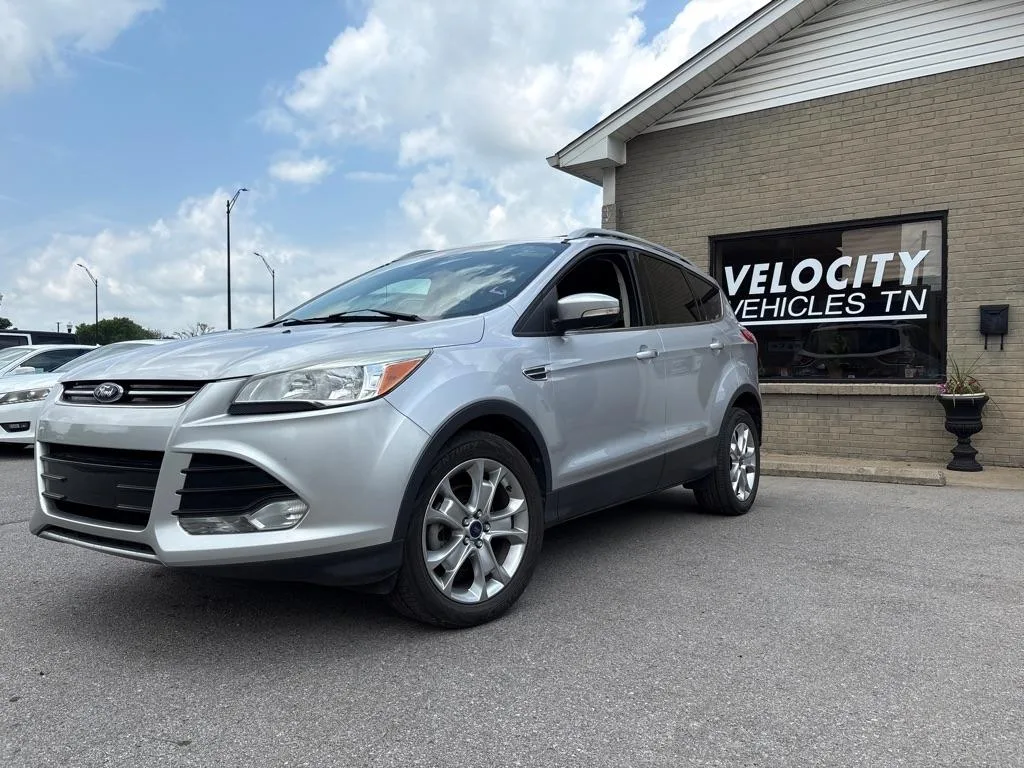
Before buying a used SUV, know what you need it to do (daily commuting, towing, hauling kids and gear), get a vehicle history report and independent inspection, and compare how it was priced against similar vehicles rather than just the sticker. The rest comes down to matching the right SUV to your situation instead of settling for whatever happens to be sitting on a lot.
That last point is where a lot of buyers get stuck. Most used car lots can only sell you what they already have in stock, which means your choice is limited to their current selection rather than what actually fits your needs. Here's what to think through before you commit.
Start With How You'll Actually Use It
SUVs vary widely in size, drivetrain, and capability, so the first question isn't "which one looks good" but "what will I use it for." A compact SUV for city driving and light errands is a different vehicle than a three-row SUV for a growing family or one built for towing.
- Daily commuting and parking: smaller footprint and better fuel economy often matter more than cargo space.
- Family hauling: look at third-row legroom and ease of folding seats, not just advertised seating capacity.
- Towing or hauling: check the drivetrain (AWD vs. 4WD) and whether the vehicle was ever used commercially.
- Weather and terrain: if you deal with snow or rural roads, AWD or 4WD may be worth prioritizing over a lower price.
Check the Vehicle History and Title
A used SUV's history tells you more than its appearance ever will. Ask for a vehicle history report before you look at anything else, and don't skip this step just because a vehicle looks clean.
- Accident history and whether repairs were done properly
- Title status (clean, salvage, rebuilt, or flood)
- Number of previous owners and how the SUV was used (personal, fleet, or rental)
- Open recalls that haven't been addressed
The National Highway Traffic Safety Administration keeps a recall lookup tool at nhtsa.gov/recalls where you can check a VIN before you buy.
Get an Independent Inspection
Even a clean history report doesn't catch everything. Before finalizing any used SUV purchase, have it inspected by a mechanic you trust, separate from the seller. Pay particular attention to:
- Suspension and drivetrain components, which take more wear in SUVs than sedans
- Tire wear patterns, which can reveal alignment or suspension issues
- Signs of water damage, especially in the carpet and under seats
- Maintenance records, if the seller has them
Understand What You're Comparing It To
A price only means something in context. The same SUV trim can vary significantly based on mileage, condition, and region, so pulling comparable listings matters more than relying on a single number. This is also where the sourcing approach a dealer uses can work in your favor or against it.
Most used car lots are built around moving what they already have on the ground, which can mean pressure toward their current stock rather than what actually fits what you're looking for. Velocity Vehicles in Gallatin, TN takes a different approach: tell the dealership what you need in an SUV, and they use their network and industry relationships to locate matching vehicles across a wider market, not just what's parked on their lot that week. There's no charge for the search, and no obligation to buy once they find something.
Why That Matters for SUV Shoppers Specifically
SUVs come in enough variation, body style, drivetrain, row configuration, towing package, that narrowing to the exact combination you need on one lot can mean compromising. A sourcing-based approach removes that ceiling, since the search isn't limited to current inventory.
Budget for More Than the Purchase Price
The price on the window is the starting point, not the full picture. Before you commit to any used SUV, factor in:
- Insurance costs, which can run higher for larger SUVs
- Fuel costs, especially if you're comparing a V6 or V8 against a four-cylinder
- Tire replacement costs, since SUV tires are often larger and pricier than sedan tires
- Financing terms and how they affect your total cost over the loan term
If you want a deeper walkthrough of the full buying process, from financing to negotiation, our guide, Buying a Used Car: A Complete Guide, covers it step by step.
Test Drive With Your Actual Use in Mind
A test drive should mirror how you'll really use the SUV, not just a short loop around the block. If you'll be loading kids into car seats, bring one. If you tow, ask about towing capacity for that specific configuration. If visibility matters to you, pay attention to blind spots and mirror placement during the drive itself, not after.
The Bottom Line
Buying a used SUV comes down to matching the vehicle to your actual needs, verifying its history and condition, and understanding the full cost before you sign anything. The vehicle that looks right on a lot isn't always the one that fits your situation, which is exactly why it helps to work with a dealership willing to look beyond its own inventory to find it.
If you know generally what you're looking for, browse our inventory to see what's currently available, or reach out to Velocity Vehicles in Gallatin, TN to start a no-cost search tailored to what you actually need.
Advertised price excludes tax, title, license, registration, and a documentation/processing fee. See dealer for complete details.
Frequently asked questions
What's the most important thing to check before buying a used SUV?
Start with the vehicle history report and title status, since those reveal accidents, flood damage, or ownership issues that aren't visible on a test drive. Follow that with an independent mechanical inspection before you commit to anything.
Should I only look at SUVs currently on a dealer's lot?
Not necessarily. Velocity Vehicles in Gallatin, TN uses a concierge sourcing model where you describe the SUV you need and they search their network and industry relationships for matching vehicles beyond their current lot. There's no charge for that search and no obligation to buy.
Is a used SUV more expensive to own than a sedan?
It can be, depending on the SUV. Insurance, fuel, and tire costs tend to run higher for larger SUVs, so it's worth factoring those into your budget alongside the purchase price.
How do I know if a used SUV's price is fair?
Compare it against similar listings with matching mileage, trim, and condition rather than judging the number on its own. Pricing context matters more than the sticker price by itself.
Do I need 4WD or AWD for a used SUV?
It depends on your driving conditions. If you regularly deal with snow, rural roads, or towing, AWD or 4WD is worth prioritizing even if it costs more than a two-wheel-drive option.
Ready to find your next vehicle?
Tell us what you’re looking for and we’ll help you find the right fit.
Browse Inventoryor call 615-442-7150